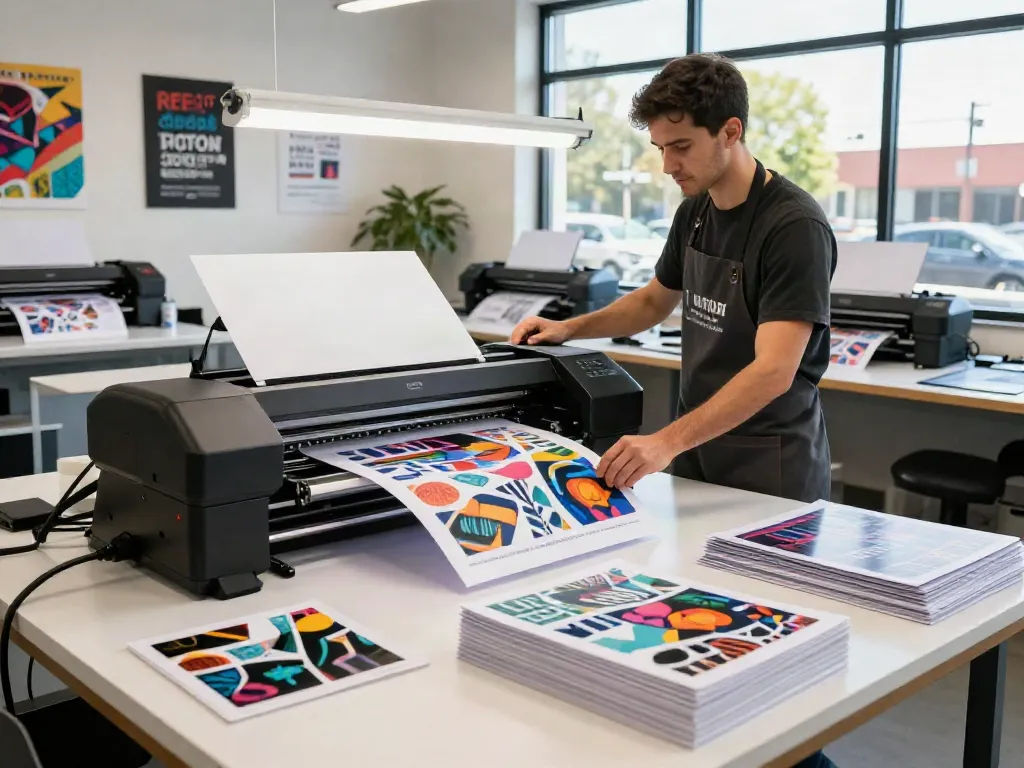
Understanding DTF Transfer Sheets
Direct to Film (DTF) transfer sheets have taken the custom printing world by storm, offering a versatile, high-quality option for businesses and creatives alike. These sheets allow for intricate designs to be printed on various fabrics with ease and precision, making them highly desirable for apparel production. When exploring options, DTF transfer sheet provide comprehensive insights into the future of custom printing solutions, especially for those seeking to streamline their production processes.
What is a DTF Transfer Sheet?
A DTF transfer sheet is a specialized film that allows for printing high-resolution designs to be transferred onto textiles. The process involves printing a design onto a film layer using specialized inks, which is then coated with a powder adhesive. When heat is applied, the adhesive melts, allowing the design to bond firmly with the fabric. This technique opens possibilities for vibrant colors and fine detailing that can be challenging to achieve with traditional printing methods.
Key Benefits of Using DTF Transfer Sheets
- Vibrant Prints: DTF transfer sheets produce exceptionally vivid colors, ensuring your designs stand out.
- Versatility: They can be applied to a variety of fabrics, including cotton, polyester, and blends, making them suitable for diverse applications.
- No Minimum Orders: Businesses can order sheets as needed without worrying about minimum quantities, providing flexibility for small batches.
- Quick Turnaround: DTF printing offers faster production times compared to some traditional methods, which is critical for meeting tight deadlines.
How DTF Transfer Sheets Compare to Other Printing Methods
DTF transfer sheets stand out when compared to other printing methods such as screen printing and heat transfer vinyl (HTV). Unlike screen printing, which requires setup and can be expensive for smaller runs, DTF printing is more cost-effective and efficient. Additionally, while HTV can limit the complexity and color vibrancy of designs, DTF allows for intricate, multi-colored images to be applied easily. The durability of DTF prints is also a notable advantage, as it can withstand multiple washes without fading or cracking.
Who Can Benefit from DTF Transfer Sheets?
DTF transfer sheets are not just for large businesses; they cater to a wide range of users, from artists to small business owners. The adaptability of this printing method allows various segments of the industry to take advantage of its capabilities.
Custom Apparel Businesses and Merch Drops
For clothing brands and businesses releasing new merchandise, DTF transfer sheets can provide a quick solution to produce high-quality prints. Whether launching a seasonal collection or a limited-edition drop, the flexibility of being able to order without a minimum quantity is a significant advantage. Additionally, the vibrant color output is crucial for brands looking to create eye-catching designs that resonate with their audience.
Small Business Owners Seeking Quality Prints
Small business owners often require a reliable and affordable printing option to maintain profitability while catering to custom orders. DTF transfer sheets offer a cost-effective way to fulfill requests without compromising on quality. The ability to quickly turn around designs and cater to individual preferences enables small businesses to thrive in the competitive market.
Artists and Designers Looking for Vibrant Results
Artists and graphic designers can leverage DTF printing technology to bring their creations to life. The process provides a platform for detailed and vivid prints that traditional methods may struggle to achieve. As a result, artists can broaden their product offerings and explore new avenues for revenue generation through apparel and merchandise.
How to Create Your Own DTF Transfer Sheets
Creating your DTF transfer sheets may seem daunting, but the process can be straightforward with the right preparation. Below are key steps to ensure success in your printing endeavors.
Preparing Your Designs for DTF Printing
Before printing, it's essential to ensure your designs are optimized for DTF printing. This includes using the correct file formats (like PNG or TIFF), ensuring high resolution (at least 300 DPI), and confirming that colors are set to CMYK for accurate print results. Consideration of the fabric types and colors you'll be printing on is also crucial, as this can influence the color output.
Choosing the Right Materials and Printers
Selecting the right printer and materials is fundamental to achieving the desired quality. A printer that supports specialized DTF inks and films will yield the best results. Moreover, using high-quality powders that melt properly with heat can significantly impact the adhesion and longevity of prints.
Step-by-Step Process for Printing DTF Gang Sheets
- Create Your Design: Use graphic design software to create your artwork, ensuring it fits within the dimensions of your transfer sheet.
- Print on Film: Load the DTF film into your printer and print using specialized inks.
- Apply Adhesive Powder: Sprinkle the adhesive powder over the printed film and shake off any excess.
- Heat Cure: Use a heat press to cure the adhesive, ensuring a strong bond between the film and the powder.
- Transfer to Fabric: Position the DTF transfer on the fabric, cover with a protective sheet, and apply heat and pressure to transfer the design.
Common Challenges with DTF Transfer Sheets
Despite the numerous advantages of DTF transfer sheets, users may encounter challenges that can affect their printing outcomes. Understanding these issues can help mitigate problems and enhance the printing experience.
Misconceptions About DTF Printing
One common misconception is that DTF printing is similar to traditional inkjet printing, which it is not. While both use specialty inks, DTF requires a unique process of applying heat and adhesive that isn't present in conventional printing methods. Additionally, some may believe that DTF prints are less durable; however, with proper application and materials, they can last as long as screen-printed designs.
Troubleshooting Common Printing Issues
As with any printing method, troubleshooting is key to ensuring quality results. Common issues may include misalignment during transfer, inadequate adhesion, or bleeding of colors. Regular maintenance of your printing equipment and taking the time to conduct test prints can help identify potential problems before they occur on larger batches.
Understanding Cost and Pricing Strategies
The cost associated with DTF transfer sheets can vary based on materials and printing methods. Understanding how to price your prints competitively while maintaining a profit margin is essential for small businesses. Factor in the costs of materials, labor, and overhead to create an accurate pricing strategy that appeals to customers while ensuring profitability.
Future Trends in DTF Printing for 2026 and Beyond
The landscape of custom printing is evolving rapidly, with DTF printing at the forefront of this change. New technologies and methodologies are expected to emerge, enhancing productivity and quality in the DTF transfer industry.
Emerging Technologies in DTF Transfer Printing
As advancements in printing technology continue, expect to see innovations in ink formulations and printer capabilities. Emerging technologies, such as AI-driven design software and automated production lines, will help streamline workflows, reduce errors, and facilitate quicker turnaround times, enabling businesses to respond rapidly to market demands.
Predictions for the Custom Print Industry
Industry experts predict a significant increase in the customization of products, with DTF printing playing a critical role. Consumers are increasingly seeking personalized items, from clothing to home decor. As a result, businesses that adopt DTF printing techniques will likely hold a competitive edge by offering unique, custom solutions for their customers.
Enhancing Customer Experience with DTF Innovations
The customer journey in purchasing custom prints is crucial for repeat business. Innovations in DTF printing technology can enhance user experience by improving order accuracy, reducing wait times, and providing superior quality products. Engaging customers through webinars or tutorials about DTF printing processes can also foster loyalty and create a community around your brand.
Frequently Asked Questions
How do I create my own DTF transfers?
To create your own DTF transfers, begin by preparing your artwork digitally, ensure you have the right printer and DTF film, print the design, apply adhesive, and finish by heat transferring onto your fabric.
How much does a DTF sheet cost?
The cost of a DTF sheet can vary based on size, complexity, and the supplier. Generally, expect prices to range from $1 to $10 per sheet, depending on these factors.
How much does a single DTF transfer cost?
Similar to DTF sheets, the cost of a single DTF transfer depends on the design's intricacy and size but typically falls within a comparable price range.
Can you print DTF transfers on a regular printer?
While some modifications can be made, traditional inkjet printers are not designed for DTF transfer printing. It's recommended to invest in a printer specifically made for this purpose to achieve the best results.
What fabrics work best with DTF transfer sheets?
DTF transfer sheets work well with various fabrics, including cotton, polyester, and blends. Properly adhering the transfer may require specific heat settings and times, so testing on different materials is advisable.