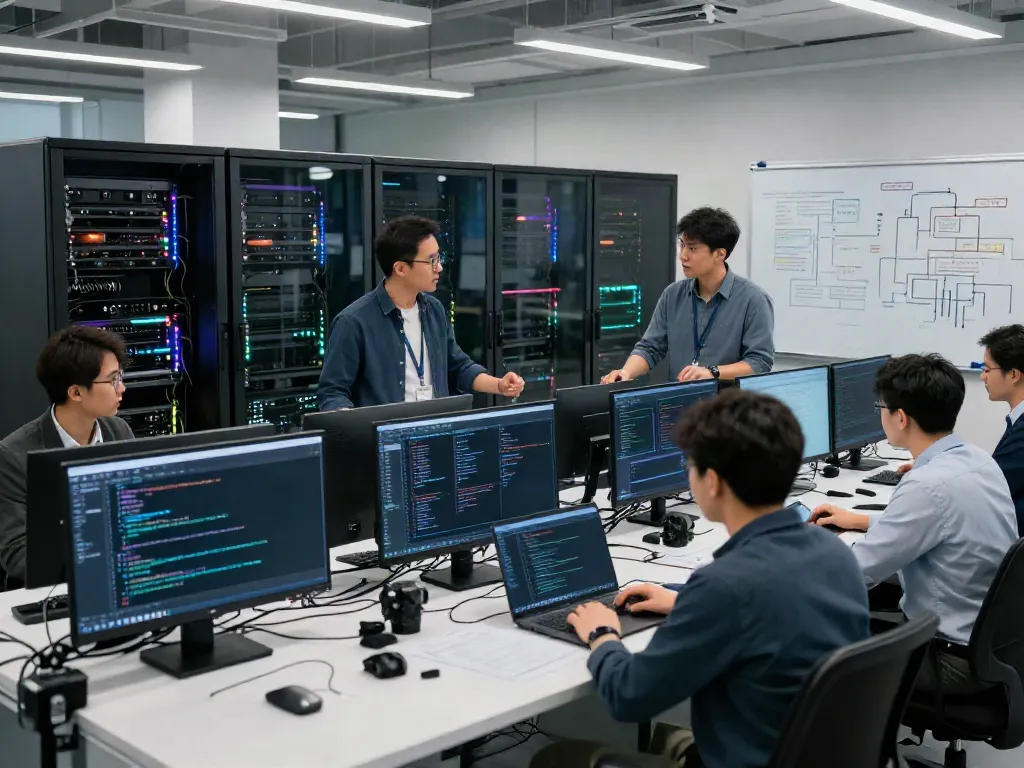
Understanding AI Infrastructure: The Foundation of Modern AI Solutions
In the rapidly evolving world of artificial intelligence (AI), the importance of a robust AI infrastructure cannot be overstated. This infrastructure comprises the foundational technologies that enable the development, deployment, and management of AI applications. As organizations increasingly seek to harness AI capabilities, understanding the elements that comprise effective AI infrastructure becomes essential for success. This article explores the nuances of AI infrastructure, its benefits, and how participating in the AI Token Economy can offer significant advantages to various stakeholders.
What is AI Infrastructure?
AI infrastructure refers to the collection of hardware and software resources necessary for creating, training, and executing AI algorithms and models. It encompasses everything from high-performance GPUs and CPUs to storage solutions and networking capabilities that facilitate data transfer. The goal is to build an environment conducive to efficient data processing, model training, and deployment of AI-driven applications.
Key Components of Effective AI Infrastructure
- Hardware: This includes powerful processors, memory, and networking components capable of handling vast amounts of data and executing complex algorithms efficiently.
- Software: AI frameworks, libraries, and operating systems that support the development and management of AI models.
- Data Management: Systems for storing, retrieving, and processing data, which is critical for training robust AI models.
- Networking: High-speed connectivity that allows for rapid data transfer and communication between various components of the infrastructure.
- Security: Robust security measures to protect sensitive data and ensure compliance with regulatory requirements.
Importance of Infrastructure in the AI Ecosystem
The strength and efficiency of an AI infrastructure directly impact the performance of AI applications. A well-designed infrastructure can accelerate the training times of models, reduce operational costs, and enhance the overall scalability of AI solutions. Organizations that invest in strong AI infrastructure can leverage insights from data more effectively, thereby gaining a competitive advantage in their respective domains.
Benefits of Participating in the AI Token Economy
The AI Token Economy is a framework that combines AI technology with financial incentives through the use of tokens. By participating in this system, individuals and businesses can contribute to and benefit from the advancements in AI infrastructure.
How AI Tokens Function in Infrastructure
AI tokens serve as units of measurement for AI model usage, functioning similarly to how kilowatt-hours measure electricity. Every interaction with an AI system involves breaking down requests into input tokens, which are processed to produce output tokens. This tokenization allows for a transparent and quantifiable assessment of AI usage, facilitating efficient resource allocation and reward distribution.
The Role of Power in AI Token Services
Power is an essential component of AI infrastructure, as high-performance computing relies on significant energy consumption. By developing collaborative power strategies, participants can align their energy contributions with the operational needs of AI systems, ensuring that the infrastructure remains robust and scalable. This synergy between power providers and AI operators allows the AI Token Economy to thrive by fostering sustainable energy solutions while meeting growing computational demands.
Measuring Performance: Rewards and Contributions
In the AI Token Economy, performance measurement is tied to the contributions made by participants. Rewards are calculated based on the level of participation and the efficiency of the AI infrastructure supported. This setup not only incentivizes participation but also encourages improvements in operational efficiency and performance, creating a self-reinforcing cycle that benefits all stakeholders.
Choosing the Right AI Infrastructure Power Plan
To participate in the AI Token Economy effectively, selecting the right AI infrastructure power plan is crucial. This decision impacts not only individual rewards but also the overall efficiency of AI operations.
Types of AI Infrastructure Power Plans
AI infrastructure power plans vary in terms of power access, efficiency, or capacity. Common options include:
- Core Power Access: Suitable for individual users or small-scale applications.
- Enhanced Power Access: Designed for medium-sized enterprises with growing AI demands.
- Advanced Power Access: Ideal for larger organizations needing extensive infrastructure support.
Evaluating Your Contributing Factors
When determining the appropriate power plan, consider factors such as resource availability, operational requirements, and the scale of AI workloads you intend to support. Balancing these elements will help you maximize your contributions and benefits within the AI Token Economy.
How to Activate Your Power Plan
Activating an AI infrastructure power plan is straightforward. Participants can select their desired plan through the designated platform, which typically involves creating an account and funding their chosen plan. Once activated, the plan begins tracking your power contributions and measuring your rewards based on AI infrastructure usage.
Challenges and Solutions in Implementing AI Infrastructure
While the advantages of a robust AI infrastructure are clear, organizations often face challenges in the implementation phase. Understanding these barriers can empower stakeholders to devise effective solutions.
Common Misconceptions about AI Infrastructure
One major misconception is that setting up AI infrastructure requires extensive technical expertise and significant financial investment. However, modern platforms, like 51 AIpower, have democratized access to AI infrastructure, allowing individuals and businesses to participate without needing to build their data centers or manage complex technology stacks.
Supporting Reliability in AI Operations
AI operations must maintain high reliability to ensure continuous service delivery. This requires a careful balance of resource allocation and systematic monitoring of AI workloads to promptly address potential issues.
Future-Proofing Your AI Infrastructure
Future-proofing involves not only investing in the latest technology but also adopting flexible infrastructure strategies that can adapt to changing market demands and technological advancements. Embracing an agile approach will ensure organizations remain competitive and responsive to emerging AI trends.
Emerging Trends in AI Infrastructure for 2026
As AI technology continues to evolve, several emerging trends are shaping the future of AI infrastructure. Keeping an eye on these developments is essential for any organization looking to leverage AI effectively.
Innovations in AI Infrastructure Technology
From advanced processors to innovative cloud computing solutions, the landscape of AI infrastructure is witnessing rapid technological advancements. Innovations like quantum computing and neuromorphic chips promise to redefine performance benchmarks and capabilities in AI applications.
Scalability and Growth of AI Systems
As the demand for AI services grows, scalability becomes a critical focus. Infrastructure designed to dynamically expand or contract based on workload requirements will be essential for meeting the needs of both businesses and consumers.
Environmental Considerations in AI Power Consumption
With increasing awareness of climate issues, there is a strong push for sustainable energy solutions in AI infrastructure. Organizations are now looking for ways to minimize their carbon footprint while ensuring that their AI operations remain efficient and effective.
What is the Future of AI Infrastructure?
The future of AI infrastructure will likely involve enhanced integration of artificial intelligence in managing infrastructure itself. This could range from predictive maintenance of hardware to automated optimization of resource allocation based on real-time data analytics.
Who can Benefit from AI Infrastructure?
A broad range of individuals and organizations can benefit from AI infrastructure, including:
- Businesses seeking to improve operational efficiency through AI applications.
- Researchers aiming to leverage AI for innovative solutions across various fields.
- Individual participants who wish to engage in the AI Token Economy without extensive upfront investment.