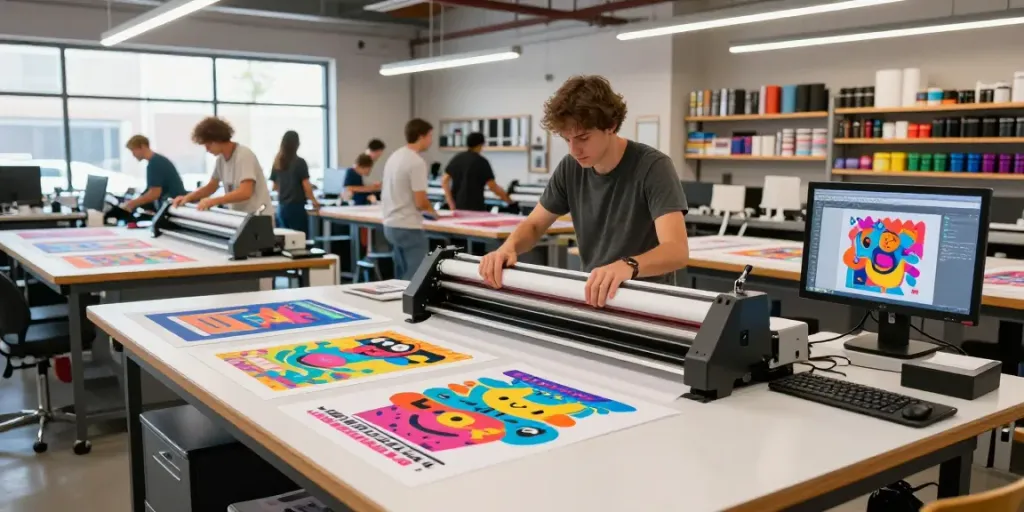
Understanding DTF Transfer Sheets: The Basics
DTF (Direct to Film) transfer sheets revolutionize the custom printing landscape, offering a versatile solution for clothing brands, small businesses, and anyone looking to bring their designs to life. Unlike traditional methods, DTF printing allows for vibrant colors and intricate details, making it an ideal choice for intricate designs and a wide range of fabrics. At Printer Boyz, we specialize in high-quality DTF transfer sheet that cater to your unique printing needs. In this article, we will provide an in-depth exploration of DTF transfer sheets, including their benefits, differences from other printing methods, and key considerations when choosing the right option for your projects.
What is a DTF Transfer Sheet?
A DTF transfer sheet is a specialized film coated with a unique ink designed for transfer onto garments and other materials. The process involves printing the design onto a film, applying a special adhesive powder, and transferring the design onto the target substrate using heat and pressure. This facilitates high-precision prints that are durable and wash-resistant, making them ideal for everything from custom apparel to promotional products.
Benefits of Using DTF Transfer Sheets for Custom Printing
- Vibrant Colors: DTF transfer sheets provide superior color vibrancy compared to traditional screen printing.
- Versatility: They can be applied to a wide range of fabrics, including cotton, polyester, and blends.
- No Minimums: Enjoy the flexibility of ordering just what you need without the constraints of minimum order quantities.
- Fast Turnaround: DTF printing offers a quick production time, enabling you to meet tight deadlines for your projects.
- Cost-Effective: Ideal for small runs or testing new designs without the overhead of bulk printing.
Key Differences Between DTF and Other Transfer Methods
Understanding the distinctions between DTF, screen printing, and heat transfer vinyl (HTV) is crucial for selecting the right printing method for your needs. DTF printing typically excels in producing more detailed designs than HTV and is more cost-effective for large-scale orders than screen printing. Additionally, unlike screen printing, which often requires multiple setups for different colors, DTF simplifies the process by allowing a full-color print in a single pass.
Choosing the Right DTF Transfer Sheets for Your Needs
When selecting DTF transfer sheets, consider several factors to ensure you achieve the desired results. The choice of materials, sizes, and print quality can significantly impact the final product. Understanding your specific needs will guide you in making informed decisions for your projects.
Factors to Consider When Selecting DTF Transfer Sheets
- Material Type: Ensure the transfer sheets are compatible with your fabric type for optimal adherence and durability.
- Sheet Size: Choose the correct size of transfer sheets based on your design and application area.
- Print Quality: Look for sheets that guarantee high-resolution prints to maintain detail in your designs.
- Adhesive Quality: The adhesive should provide strong bonding properties to prevent peeling or cracking after washing.
Understanding Sheet Sizes and Designs
DTF transfer sheets come in various sizes, from A4 to larger formats, to accommodate different design requirements. It's essential to select a size that fits both the artwork and the garment area without compromising the quality of the print. Depending on your project, you can opt for single designs or gang sheets, which allow multiple designs to be printed on one sheet for a more economical option.
Comparing Quality: Premium vs. Standard DTF Sheets
Investing in premium quality DTF transfer sheets can make a significant difference in the final output of your prints. Premium sheets typically offer enhanced durability, better color vibrancy, and superior wash resistance compared to standard sheets. While standard sheets may suffice for basic designs, premium sheets are advisable for high-end products or items that require longevity.
How to Create Compelling Designs for DTF Transfer Sheets
Creating visually appealing designs for DTF transfer sheets is pivotal for captivating your audience. A well-crafted design can make or break your custom print. Here are some tips to ensure your designs stand out.
Design Software and Tools for Optimal Results
Using professional design software like Adobe Illustrator or CorelDRAW can enhance the quality of your designs. These programs allow for precise vector graphics creation, ensuring your artwork remains sharp and clear during the printing process. Additionally, ensure that your designs are set at the appropriate resolution (300 DPI) to avoid pixelation in the final product.
Design Tips for Vibrant and Durable Transfers
- Color Choices: Opt for colors that complement the fabric and maintain vibrancy after washing.
- Layer Management: Use layers wisely to differentiate elements in your design, which can aid in the application process.
- Text Legibility: Ensure any text used in designs is clear and legible at various sizes.
Common Design Mistakes to Avoid
Avoiding common pitfalls can significantly improve your designs. Some frequent mistakes include overly complex designs that may not transfer well or using colors that blend too closely with the fabric. Additionally, neglecting to test your designs before mass production can lead to wasted time and resources.
Applying DTF Transfer Sheets: A Step-by-Step Guide
Proper application of DTF transfer sheets is essential to achieving the best results. Follow these steps for a successful transfer process, ensuring your designs adhere correctly and last through multiple washes.
Essential Tools and Equipment Needed
- Heat press machine
- Teflon sheet or parchment paper
- Weeding tool (if applicable)
- Garment or substrate for application
Step-by-Step Application Process
- Preheat the Heat Press: Set the temperature and time according to the manufacturer’s instructions for the DTF transfer sheets.
- Prepare the Garment: Ensure the substrate is clean, wrinkle-free, and at room temperature.
- Position the Transfer: Place the DTF transfer sheet on the garment, ensuring proper alignment.
- Press the Transfer: Close the heat press and apply pressure for the recommended duration.
- Cool and Peel: Allow the transfer to cool slightly before carefully peeling off the film.
Post-Application Care for Longevity
To ensure the longevity of your DTF prints, advise customers to wash garments inside out and avoid fabric softeners. Air drying is preferable, but if using a dryer, keep it on low heat to extend the life of the print.
Future Trends in DTF Printing for 2026 and Beyond
The DTF printing industry is continually evolving, with new trends and technologies emerging. Staying ahead of these trends can position your brand as a leader in custom printing.
Emerging Technologies in DTF Printing
Advancements in printing technology are enhancing the efficiency and quality of DTF prints. Look for innovations such as faster print speeds and improved ink formulations that offer better adhesion and vibrancy. These developments are set to revolutionize the industry and open new avenues for creative possibilities.
Sustainability in DTF Printing Materials
As awareness of environmental issues grows, more companies in the printing industry are seeking sustainable materials. Eco-friendly inks and recyclable transfer sheets are becoming increasingly popular, reflecting consumer demand for responsible production practices.
Predicted Market Trends for DTF Transfers
Market predictions indicate a growing demand for custom apparel printing, driven by the rise of e-commerce and personalized merchandise. This trend highlights the importance of flexibility in production and design options, making DTF transfer sheets a leading choice for businesses looking to adapt to changing consumer preferences.
What are the costs associated with DTF transfer sheets?
Cost varies based on sheet size, quality, and design complexity. Generally, prices are competitive, especially considering the lack of minimum order requirements, allowing for customizable runs.
How to ensure the best quality with DTF transfer sheets?
Ensuring high-quality prints involves using premium materials, proper design software, and maintaining the right settings during application. Testing your designs before full production can help mitigate issues.
Can I use DTF transfer sheets on all fabric types?
DTF transfer sheets are compatible with a variety of fabrics, including cotton, polyester, and blends. However, it's essential to consider fabric characteristics for optimal melting and adherence.
What design formats work best for DTF printing?
Vector formats (e.g., AI, SVG) or high-resolution PNGs are ideal for DTF printing, as they ensure crisp details and vibrant colors.
Where can I find high-quality DTF transfer sheets locally?
Many local print shops offer DTF transfer sheets, but it's essential to research quality options. Online retailers like Printer Boyz provide extensive choices with fast delivery, catering to both local and nationwide customers.