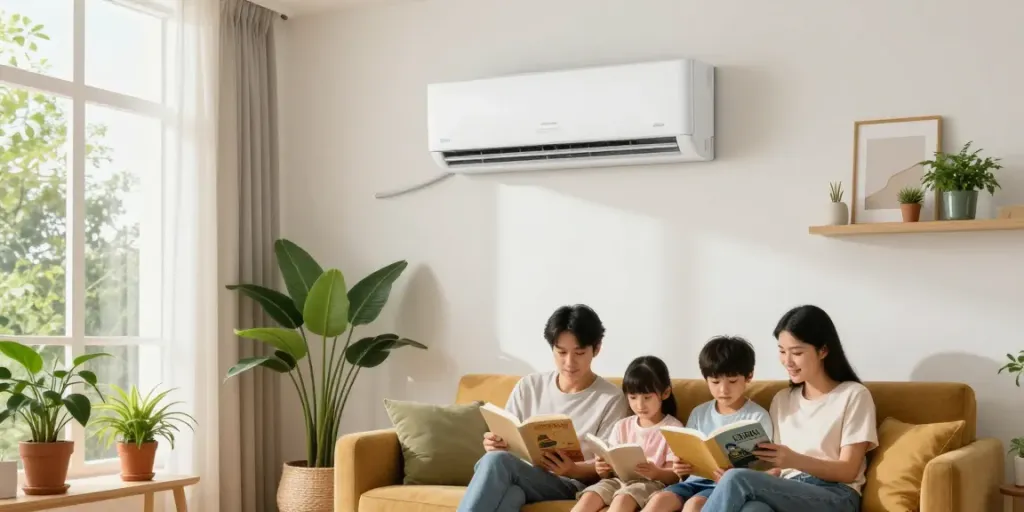
Understanding Mini Split AC Systems
As homeowners strive for enhanced comfort and energy efficiency, mini split AC systems have emerged as a popular solution. These systems offer flexible installation options, quiet operation, and significant energy savings. In this guide, we will explore the intricacies of mini split air conditioners, helping you make informed decisions for your cooling and heating needs. When exploring options, mini split ac provides comprehensive insights into the benefits and features available on the market.
What is a Mini Split AC?
A mini split AC, or ductless air conditioning system, consists of two main components: an outdoor unit that houses the compressor and an indoor unit that distributes the cooled air. This separation allows for targeted temperature control in specific rooms or zones, making it an efficient alternative to traditional HVAC systems. They are particularly effective in homes without existing ductwork, providing an unobtrusive solution for cooling and heating.
How Mini Split AC Differs from Central HVAC
Mini split ACs differ from central HVAC systems primarily in their design and function. Central systems use ductwork to distribute air throughout the home, which can cause energy loss due to leaks or inefficiencies in the duct system. In contrast, mini split systems eliminate ductwork entirely, allowing for direct cooling and heating of specific areas. This results in greater energy efficiency and reduced utility bills, particularly in homes with varied temperature requirements across different spaces.
Key Components of a Mini Split AC System
- Outdoor Unit: Contains the compressor, condenser, and expansion valve. It is responsible for releasing heat absorbed from the indoor air.
- Indoor Unit: Distributes conditioned air into the living space. Indoor units can be wall-mounted, ceiling-mounted, or floor-mounted, depending on the specific needs of the room.
- Refrigerant Lines: These lines connect the indoor and outdoor units and allow refrigerant to circulate between them, facilitating heat exchange.
- Remote Control: Most mini split systems come with a remote for easy temperature adjustments and settings for each indoor unit.
Choosing the Right Mini Split AC for Your Space
Selecting the right mini split AC requires careful consideration of various factors to ensure optimal performance and efficiency. Understanding the cooling capacity needed for your space is crucial, as an undersized unit will struggle to maintain comfortable temperatures, while an oversized unit may cycle on and off too frequently, leading to increased wear and tear.
Factors to Consider in Mini Split AC Sizing
When sizing a mini split AC, consider the following factors:
- Room Size: Measure the square footage of the room to determine the required BTUs (British Thermal Units). Generally, you need about 20 BTUs for each square foot.
- Insulation Levels: Poorly insulated spaces may lose cool air quickly, requiring a larger unit to compensate.
- Sun Exposure: Rooms with large windows or those facing direct sunlight may need a more powerful AC unit.
- Room Usage: Consider how many people typically occupy the space; more occupants generate additional heat.
Comparing Efficiency Ratings for Mini Split ACs
Efficiency ratings are crucial in determining the long-term operating costs of a mini split AC. Look for units with a high SEER (Seasonal Energy Efficiency Ratio) rating. A SEER rating of 16 or higher is considered excellent and can significantly reduce utility bills. Additionally, consider units with ENERGY STAR certification, which indicates that the system meets strict energy efficiency guidelines set by the U.S. Environmental Protection Agency.
Popular Brands and Models of Mini Split ACs
Several brands stand out in the mini split AC market. Here are a few reputable options:
- Daikin: Known for its advanced technology and high efficiency, Daikin offers a variety of models suitable for different spaces.
- Mitsubishi Electric: Renowned for reliability and performance, with sophisticated features such as multi-zone cooling.
- LG: Offers stylish designs along with energy-efficient models that enhance aesthetic appeal.
- Senville: A budget-friendly option with reliable performance and several capacity choices.
Installation Best Practices
Proper installation is vital for the efficient operation of a mini split AC system. Many homeowners debate whether to take a DIY approach or hire a professional installer, and both options have their merits. Understanding the installation process will help you make an informed choice.
Common Mistakes to Avoid During Installation
Here are some frequent pitfalls to beware of during installation:
- Incorrect Placement: Ensure the indoor units are positioned to optimize airflow and not obstructed by furniture or other objects.
- Poor Sealing: Failing to properly seal the refrigerant lines can lead to leaks, reducing efficiency.
- Improper Electrical Connections: Ensure all electrical connections are secure and meet local code requirements to prevent hazards.
- Neglecting Drainage: Proper drainage is essential to prevent moisture buildup and potential damage to the system.
DIY Installation vs. Professional Help for Mini Split ACs
While DIY installation can save money, it requires a solid understanding of HVAC systems and local building codes. If you're confident in your skills and comply with regulations, you may proceed with a DIY installation. However, hiring a professional can assure compliance with local laws and provide peace of mind regarding system performance and warranty coverage.
Understanding Installation Costs and Requirements
The total cost of installing a mini split AC system can vary based on several factors, including:
- Unit Cost: The price of the mini split system itself can range from a few hundred to several thousand dollars.
- Installation Fees: Professional installation typically costs between $500 to $2,000, depending on complexity and local rates.
- Additional Materials: Consider additional costs for electrical work, line sets, or mounting hardware.
Maintenance Tips for Longevity
Regular maintenance is essential for keeping your mini split AC operating efficiently and extending its lifespan. By following these maintenance tips, you can ensure optimal performance and avoid costly repairs.
Regular Cleaning and Filter Maintenance
To maximize efficiency and prevent dust buildup, regularly clean the indoor unit’s air filters. Dirty filters can restrict airflow, leading to reduced efficiency and increased energy usage. Clean or replace filters every one to three months, depending on usage and the presence of pets or allergens in your home.
Identifying and Troubleshooting Common Issues
Common issues with mini split systems include:
- Inconsistent Cooling: This can indicate a refrigerant leak or dirty filters that may restrict airflow.
- Noisy Operation: Unusual sounds may suggest loose components or issues with the compressor.
- Increased Energy Bills: If your utility costs suddenly rise, it could be a sign of inefficiency or mechanical failure.
When to Seek Professional Maintenance for Mini Split ACs
While regular cleaning can often be performed by homeowners, more complex issues should involve professional maintenance. If you notice persistent problems or if the unit hasn’t been serviced in over a year, it’s time to contact an HVAC technician for a thorough inspection and service.
Future Trends in Mini Split AC Technology
The HVAC industry is continuously evolving, with mini split AC systems leading the way in energy efficiency and advanced technology. Staying informed about upcoming trends will help you make the best choices for your home.
Emerging Energy Efficiency Standards for 2026
As energy efficiency standards tighten, manufacturers are innovating to meet stricter regulations. The anticipated regulations for 2026 will likely raise the required SEER ratings for new systems, pushing companies to enhance the efficiency and performance of their mini split ACs.
Innovative Features to Look for in Next-Gen Mini Split ACs
Future mini split systems are expected to incorporate advanced features such as:
- Smart Technology: Integration with smart home systems for remote monitoring and control.
- Variable Speed Compressors: Allow for more precise temperature control and energy savings.
- Improved Filtration Systems: Enhanced filtration options to improve indoor air quality.
Impact of Smart Technology on Mini Split AC Performance
Smart technology is revolutionizing how we interact with our HVAC systems. Features like Wi-Fi connectivity allow homeowners to control their mini split AC systems remotely, optimize energy use, and receive alerts for maintenance needs. This not only enhances convenience but also contributes to greater energy efficiency and cost savings.